

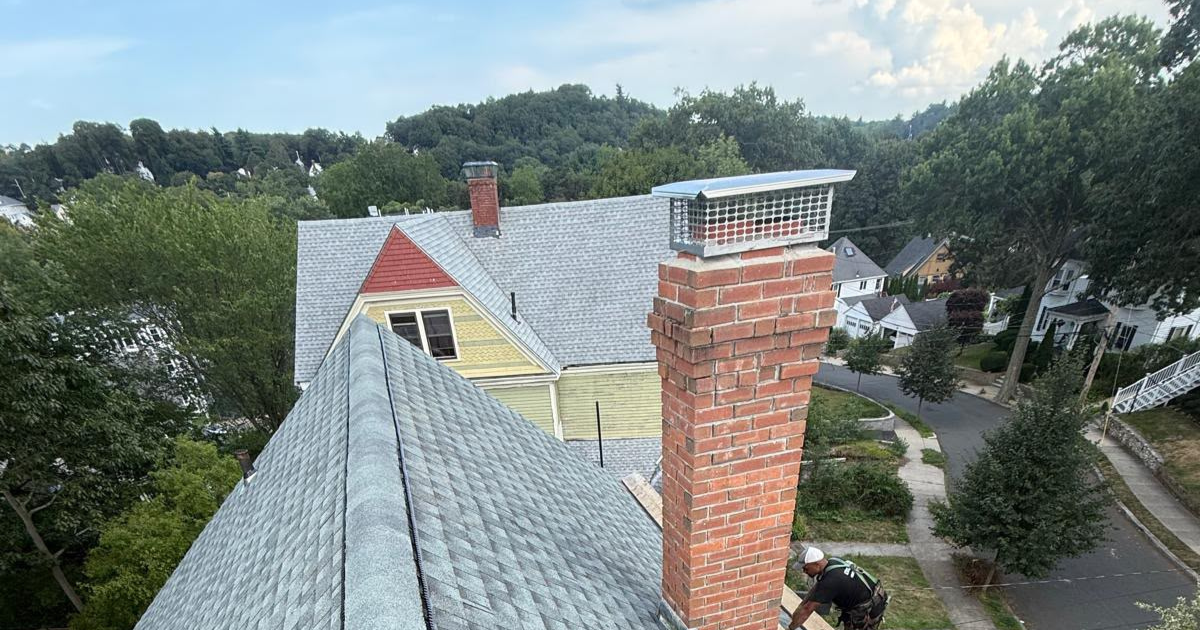
Protecting a residential building envelope against severe seasonal weather requires more than simply applying standard shingles over a roof deck. Harsh climates featuring heavy rain, freezing temperatures, high wind uplift, and continuous solar radiation place immense stress on structural roofing components. Implementing comprehensive weatherproofing techniques and engineering a multi-layered barrier system is the definitive strategy to defend your home, prevent hidden water leaks, and extend total roof longevity.
Critical structural transition points—such as roof valleys, wall intersections, and brick chimneys—represent the most vulnerable zones for water penetration. Proper weatherproofing incorporates custom-fitted metal step flashing woven seamlessly into architectural shingle layers around masonry structures. Additionally, installing self-adhering ice and water protection membranes beneath shingles blocks wind-driven rain and prevents ice dams from backing water under roof decking during severe winter freezes.
In addition to exterior barrier layers, balanced attic ventilation plays a pivotal role in roof system durability. Proper soffit intake and ridge exhaust vents regulate internal attic temperatures and moisture levels year-round. This continuous airflow prevents winter attic condensation that rots structural plywood sheathing and reduces summer heat buildup that causes shingles to age prematurely. Partnering with certified roofing contractors ensures every flashing seal, underlayment layer, and shingle line meets strict structural engineering standards.
Highlights
- Multi-Layer Weather Barriers: Installing high-performance underlayment and ice and water shield membranes.
- Precision Chimney Flashing: Custom step flashing integration around masonry structures to stop water leaks.
- Attic Ventilation Balancing: Soffit and ridge airflow management to regulate temperature and humidity.
- Wind and Weather Resistance: Heavy-duty architectural shingle assemblies designed for high-wind durability.
Data and Indicators
- Properly engineered step flashing around chimneys and roof valleys reduces structural water leak risks dramatically.
- Balanced attic ventilation extends the operational lifespan of asphalt architectural shingles significantly.
Impact
- Hidden Decking and Rafter Rot: Poor flashing allows rainwater to pool along masonry walls, rotting underlying wood structures.
- Attic Moisture Contamination: Trapped humidity without ridge ventilation fosters widespread mold growth on roof sheathing.
- Premature Shingle Deterioration: Extreme heat buildup inside unventilated attics causes shingle backing to curl and crack early.
Context
Shielding your home from extreme weather conditions and securing your structural framing demands advanced roofing science and master installation techniques. Relying on basic shingle installs without reinforced flashing and proper moisture barriers exposes your property to expensive interior water damage. Strong Construction delivers master roofing craftsmanship, premium weatherproofing barriers, and custom flashing engineering to build roof systems that stand strong against any climate.